
General Dermatology
Alopecia Treatment
Available with our McLean dermatology team and Woodbridge dermatology team.
2,500+ Reviews
4.8 out of 5 stars. Verified reviews across McLean & Woodbridge

- Georgetown University Adjunct Assistant Professor
- Top Dermatologist by Northern Virginia Magazine
Diagnosis and treatment for different types of hair loss
Alopecia refers to hair loss from the scalp or other areas of the body. It can occur gradually or suddenly and may be temporary or long-term depending on the underlying cause. Hair loss may result from genetics, autoimmune conditions, stress, infections, medications, hormonal changes, or physical tension on hair follicles.
Because alopecia can have many causes, accurate diagnosis is important. Dermatology evaluation focuses on identifying the specific type of hair loss and developing a personalized treatment plan to help restore hair growth when possible and prevent further loss.
Common Types of Alopecia
Androgenetic Alopecia (Pattern Hair Loss)
This is the most common type of hair loss and is often genetic.
Typical pattern
- Men: thinning at the temples and crown (vertex)
- Women: diffuse thinning across the top of the scalp
Hair follicles gradually shrink over time, producing finer, shorter hairs until growth may stop entirely if untreated.
Alopecia Areata
Alopecia areata is an autoimmune condition in which the immune system attacks hair follicles.
Typical signs
- Smooth, round patches of hair loss
- Sudden onset
- Small “exclamation point” hairs at the edges of patches
Hair loss may remain localized or involve larger areas of the scalp or body.
Telogen Effluvium
Telogen effluvium causes diffuse shedding across the scalp rather than distinct patches.
Common triggers include
- Physical or emotional stress
- Illness or surgery
- Hormonal changes
- Certain medications
- Rapid weight loss or nutritional deficiencies
This type of hair loss is often temporary, with regrowth occurring once the underlying trigger resolves.
Tinea Capitis
Tinea capitis is a fungal infection of the scalp that can cause patchy hair loss.
Typical signs
- Scaly patches on the scalp
- Broken hairs or “black dots”
- Itching or inflammation
This condition is more common in children but can affect adults and requires antifungal treatment.
Traction Alopecia
Traction alopecia occurs when repeated tension pulls on hair follicles over time.
Common causes
- Tight braids, ponytails, or extensions
- Certain styling practices that pull on the hair
Early treatment and changes in styling habits can help prevent permanent follicle damage.
Treatment Options for Alopecia
Treatment depends on the type of alopecia, severity of hair loss, and underlying causes.
Topical Medications
Topical therapies may help stimulate hair growth and slow further loss.
What it helps with
- Pattern hair loss
- Early thinning
- Hair follicle stimulation
These medications are applied directly to the scalp and work by supporting hair follicle activity and prolonging the growth phase of hair.
Oral Medications
Prescription medications may be recommended to address hormonal or autoimmune factors affecting hair growth.
What it helps with
- Androgenetic alopecia
- Certain inflammatory or autoimmune hair loss conditions
These treatments work internally to reduce factors that contribute to follicle miniaturization or immune-mediated hair loss.
Corticosteroid Treatments
Steroid injections or topical treatments may be used for inflammatory hair loss conditions.
What it helps with
- Alopecia areata
- Immune-related hair loss
How it works
Corticosteroids help reduce inflammation around hair follicles, allowing hair to regrow in affected areas.
Antifungal Treatments
For hair loss caused by fungal infection (such as tinea capitis), antifungal medications are necessary.
What it helps with
- Scalp fungal infections
- Preventing spread of infection
- Restoring hair growth once infection resolves
Platelet-Rich Plasma (PRP) Therapy
PRP uses concentrated growth factors from a patient’s own blood to stimulate hair follicles.
What it helps with
- Pattern hair loss
- Early follicle weakening
- Supporting hair density and thickness
How it works
PRP is injected into the scalp to stimulate hair follicles and encourage healthier hair growth cycles.
The Alopecia Evaluation Process
Initial Consultation
Assessment
Your dermatologist evaluates your scalp, hair pattern, and medical history.
Diagnosis
Additional testing may include scalp examination, dermoscopy, or laboratory testing if needed.
Plan
A personalized treatment plan is developed based on the type of alopecia and severity of hair loss.
Treatment Phase
Some treatments work gradually over several months, as hair growth cycles take time.
Patients may require combination therapies depending on the type of alopecia.
Regular follow-up visits allow providers to monitor progress and adjust treatment if needed.
Follow-Up Care
Follow all treatment instructions provided by your clinician.
Avoid hairstyles or habits that may stress hair follicles.
Notify your provider if hair loss continues to worsen or new symptoms develop.
Results You Can Expect
Hair regrowth depends on the type of alopecia and how early treatment begins.
Treatment may help:
- Slow or stop ongoing hair loss
- Stimulate new hair growth
- Improve hair thickness and density
- Restore confidence and appearance
Some conditions allow full regrowth, while others focus on maintaining existing hair and slowing progression.
Why Early Diagnosis Matters
Hair follicles can sometimes become permanently damaged if hair loss progresses untreated.
Early diagnosis helps:
- Identify reversible causes
- Prevent permanent follicle damage
- Improve chances of successful regrowth
Dermatology specialists can evaluate the underlying cause of hair loss and recommend the most appropriate treatment options.
Schedule a Consultation
Schedule a consultation with our dermatology team at our McLean or Woodbridge, VA offices to evaluate hair loss and discuss the most effective treatment options for alopecia.
FAQ
What causes alopecia?
Alopecia may be caused by genetics, autoimmune conditions, stress, infections, medications, hormonal changes, or hair styling practices.
Is hair loss permanent?
Some types of alopecia are temporary and reversible, while others may be progressive without treatment.
How long does it take to see hair regrowth?
Hair growth cycles are slow, so improvement may take several months depending on the treatment and condition.
Can stress cause hair loss?
Yes. Stress can trigger telogen effluvium, which leads to increased hair shedding.
Is alopecia contagious?
Most types are not contagious. However, tinea capitis, a fungal scalp infection, can spread through contact.
Will insurance cover alopecia treatment?
Coverage varies depending on the diagnosis and treatment. Medical causes of hair loss may be covered by insurance.
DISCLAIMER:
This content is for educational and informational purposes only and is not intended as medical advice. The procedure described involves a cosmetic treatment and carries risks and potential complications. Results may vary and are not guaranteed. Consultation with a dermatology care provider experienced in this procedure is essential to discuss risks, benefits, and other concerns. The procedure should only be performed by a qualified and licensed medical professional. It is critical to follow all post-procedure instructions from your provider for the best possible outcome. Any decision to undergo this procedure should be made after careful consideration and consultation with a qualified healthcare professional.
Our Providers
Dedicated Team
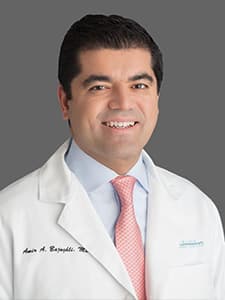
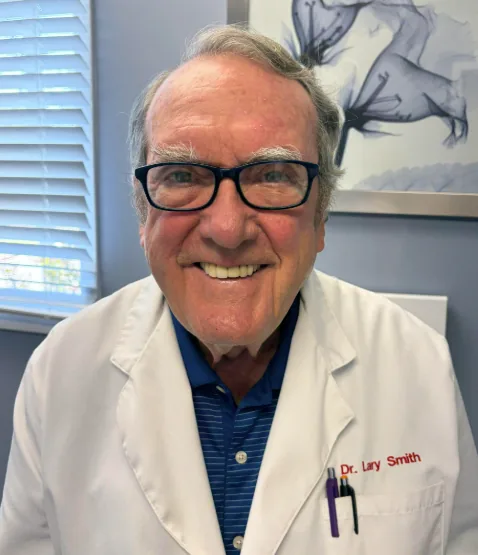
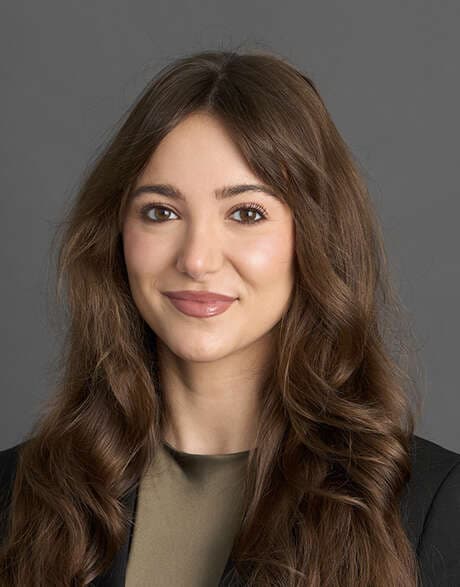
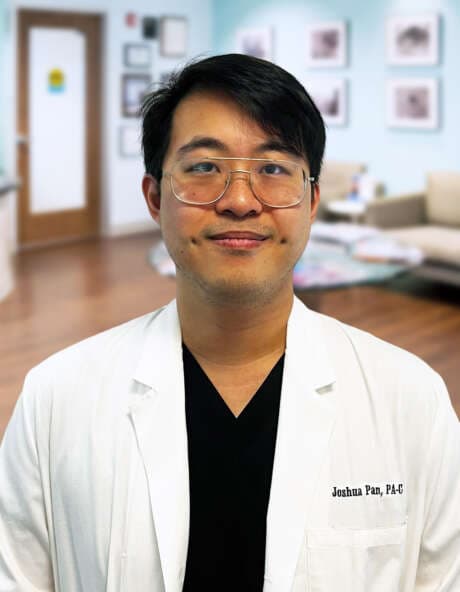
Our physicians and mid-level providers work together to build the treatment plan that best fits your skin and your goals.


Follow Along
@DrBajoghli on Instagram
See real results, meet our team, and stay up to date with the latest in dermatology and skin care from our McLean and Woodbridge offices.
Testimonials
Our Clients Say
My eyelid surgery results for the facial wrinkles look very natural. Very skilled dermatologic surgeon.
Dr. Bajoghli always has time for his patients, you never feel that he is rushing you and after you leave if you have any concerns he is very responsive to the point of giving out his cell phone number. I can’t say enough about him and his staff.
Nurse Rassmussen answers all of my questions, listens to my concerns, examines my skin, goes over my treatment protocol and gets me out the door quickly, but without feeling rushed, so that I can get on with the rest of my day. I have already recommended this practice to a couple of friends, and I will continue to do so with confidence.
I really appreciate the polite and professional service that Dr. Bajoghli’s practice provides in my dermatologic health. All of his staff make you feel welcome and are concerned for your care.