Acne Treatment and Scarring: Why Early Care Matters
Learn how acne develops, when to see a dermatologist, and why treating active breakouts early can help reduce the risk of lasting acne scars.

Published September 25, 2026
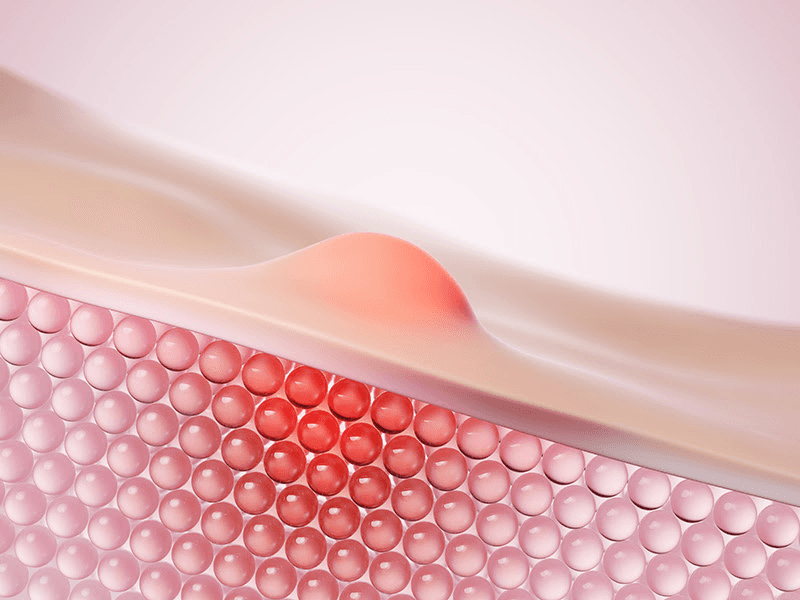
Acne is more than an occasional blemish. It is an inflammatory skin condition that can affect the face, chest, shoulders, and back at almost any age. Breakouts may be mild and temporary, but deeper or persistent acne can cause discomfort, changes in pigmentation, and permanent scars.
Understanding what is happening beneath the skin can help you make informed decisions about care. The right acne treatment plan focuses on controlling active breakouts first, while early intervention may also lower the risk of lasting marks and scars.
What Causes Acne?
Acne develops when excess oil and dead skin cells collect inside a hair follicle. This creates a clogged pore where bacteria can contribute to inflammation. Depending on the depth and severity of that inflammation, acne may appear as blackheads, whiteheads, papules, pustules, nodules, or cysts.
Several factors can influence breakouts, including hormones, genetics, stress, certain medications, friction, occlusive skin or hair products, and changes in routine. Acne is not caused by poor hygiene, and aggressive scrubbing often makes irritated skin worse rather than clearing it.
Why Some Breakouts Leave Scars
When inflammation extends deeper into the skin, it can damage the collagen that supports the surrounding tissue. As the area heals, the body may produce too little or too much collagen. Too little collagen can leave a depressed scar, while excess collagen can create a raised scar.
Deep nodules and cysts carry a greater risk, but picking, squeezing, or repeatedly irritating any breakout can increase inflammation and delay healing. Family history also matters: some people are simply more likely to scar.
Acne Marks Are Not Always Scars
Flat red, pink, brown, or gray spots that remain after a blemish are usually post-inflammatory color changes rather than true scars. These marks may gradually fade, although sun exposure can make discoloration more noticeable. A true scar changes the skin's texture and may look indented or raised.
When to See a Dermatologist for Acne
Over-the-counter products can help some mild breakouts, but consider a dermatology visit when:
- Acne is painful, deep, or cystic
- Breakouts are leaving dark marks or textural scars
- Acne continues despite consistent over-the-counter care
- Your skin is becoming dry, irritated, or sensitive from products
- Breakouts affect your confidence or quality of life
- Acne appears suddenly or changes after a medication or hormonal shift
A dermatologist can determine the type and severity of acne and look for contributing factors. Treatment may include prescription topical medications, oral medications, acne peels, light- or laser-based procedures, photodynamic therapy, or a combination selected for your skin.
Why Active Acne Should Be Controlled Before Scar Treatment
Treating scars while new inflamed lesions continue to form can be frustrating because each breakout creates another opportunity for permanent texture changes. The usual first priority is to reduce active acne and establish a routine the skin can tolerate.
Once breakouts are under better control, a dermatologist can evaluate the scars themselves. Scar type, skin tone, treatment history, and the amount of downtime you can accommodate all influence the plan.
Options for Acne Scarring
There is no single treatment for every acne scar. Many patients have more than one scar type, so an individualized plan may combine approaches. Professional acne scarring treatment may include laser resurfacing, microneedling, chemical peels, dermal fillers, subcision, or other procedures based on the scar pattern.
- Indented scars: Ice-pick, boxcar, and rolling scars may respond differently to resurfacing, collagen-stimulating treatments, subcision, or focal procedures.
- Raised scars: Hypertrophic or keloid scars require a different approach designed to flatten and soften excess scar tissue.
- Discoloration: Red or dark post-acne marks may improve with sun protection, topical care, chemical peels, or selected light and laser treatments.
Improvement usually occurs gradually, and a series of treatments may be recommended. A consultation helps set realistic expectations and avoids procedures that may not suit your skin type or scar pattern.
How to Reduce the Risk of Future Acne Scars
- Treat inflamed acne early: Do not wait for deep or painful breakouts to become routine before seeking care.
- Avoid picking or squeezing: Manipulating blemishes drives inflammation deeper and raises the risk of infection, discoloration, and scarring.
- Use products consistently: Acne therapies need time to work. Follow the recommended schedule unless irritation develops.
- Protect skin from the sun: Daily broad-spectrum sunscreen can keep post-acne discoloration from becoming darker and more persistent.
- Choose noncomedogenic products: Look for skincare, makeup, and hair products labeled noncomedogenic or oil-free when appropriate.
Personalized Acne Care in Northern Virginia
Acne treatment is not one-size-fits-all. Skin & Laser Dermatology Center develops individualized plans for active acne and acne scarring at our McLean and Woodbridge offices. If breakouts are persistent, painful, or beginning to leave marks, schedule a dermatology consultation rather than waiting for scars to become established.