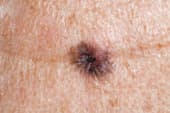
Skin Cancer Awareness: Prevention, Detection, and Treatment
Learn how to lower your skin cancer risk, perform a monthly self-exam, recognize warning signs, and understand common treatment options.

Published May 26, 2026
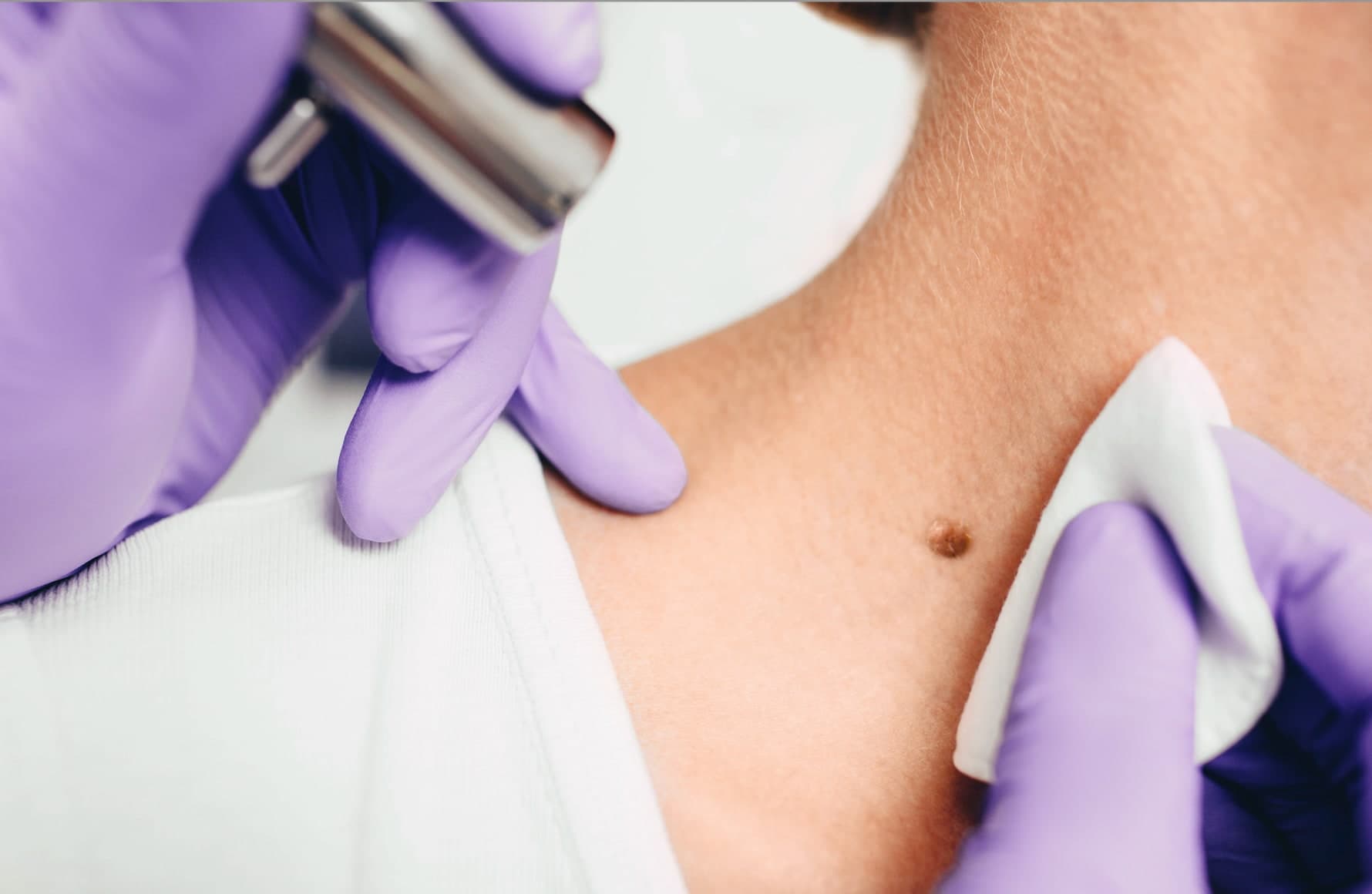
May is Skin Cancer Awareness Month, an important reminder that daily sun protection and early detection can make a meaningful difference. Skin cancer is the most common cancer in the United States, but many cases can be prevented, and most are highly treatable when found early.
Understanding the major types of skin cancer, knowing what changes to watch for, and scheduling appropriate skin exams can help you take an active role in protecting your health.
What Causes Skin Cancer?
Skin cancer develops when abnormal skin cells grow uncontrollably. Ultraviolet radiation from the sun and indoor tanning devices is a major preventable risk factor. Risk can also be influenced by fair skin, a history of blistering sunburns, numerous or atypical moles, a weakened immune system, certain genetic conditions, and a personal or family history of skin cancer.
Skin cancer can affect people of every skin tone. In darker skin, it may be less common but is sometimes diagnosed later, so new or changing lesions should never be ignored.
The Three Most Common Types of Skin Cancer
Basal Cell Carcinoma
Basal cell carcinoma is the most common form of skin cancer. It may look like a pearly or translucent bump, a pink growth, a flat scar-like area, or a sore that repeatedly heals and returns. It usually grows slowly and rarely spreads to distant parts of the body, but untreated tumors can invade and damage nearby tissue.
Squamous Cell Carcinoma
Squamous cell carcinoma may appear as a firm red bump, a rough or scaly patch, a crusted growth, or a sore that does not heal. Some squamous cell carcinomas can grow quickly or spread, making prompt diagnosis and treatment important.
Melanoma
Melanoma is less common than basal or squamous cell carcinoma but is more likely to spread if not detected early. It may begin in an existing mole or appear as a new pigmented or unusual-looking spot. Learn more about moles, atypical moles, and melanoma.
How to Lower Your Risk
Use Broad-Spectrum Sunscreen Every Day
Choose a broad-spectrum, water-resistant sunscreen with SPF 30 or higher. Apply it generously to exposed skin about 15 minutes before going outdoors and reapply at least every two hours, as well as after swimming or sweating. Do not forget commonly missed areas such as the ears, scalp, neck, lips, and tops of the feet.
Use Shade and Protective Clothing
Seek shade when the sun is strongest, generally between 10 a.m. and 4 p.m. Wear a wide-brimmed hat, UV-protective sunglasses, long sleeves, and tightly woven or UPF-rated clothing when practical.
Avoid Indoor Tanning
Tanning beds and sunlamps expose the skin to harmful ultraviolet radiation and increase the risk of melanoma and other skin cancers. A cosmetic self-tanning product can add color without UV exposure, but it does not replace sunscreen.
Protect Children Early
Sun damage accumulates over time. Encourage shade, protective clothing, and age-appropriate sunscreen use from childhood. Ask a pediatric clinician about sun protection for infants younger than six months.
How to Perform a Monthly Skin Self-Exam
Check your skin from head to toe once a month in a well-lit room. Use a full-length mirror and a handheld mirror, or ask someone you trust to examine areas that are difficult to see.
- Examine the face, ears, scalp, neck, chest, and abdomen.
- Check both sides of the arms, the underarms, hands, palms, and fingernails.
- Inspect the front, back, and sides of the legs, along with the feet, soles, and toenails.
- Use a mirror to check the back, buttocks, genital area, and behind the ears.
- Note any new, changing, itching, bleeding, or nonhealing spot. Photos can help you track changes over time.
The ABCDE Warning Signs of Melanoma
- Asymmetry: One half of the spot does not match the other.
- Border: The edges are irregular, scalloped, or poorly defined.
- Color: The spot contains multiple colors or uneven shades.
- Diameter: The lesion is larger than about 6 millimeters, although melanomas can be smaller.
- Evolving: The spot changes in size, shape, color, elevation, sensation, or symptoms such as bleeding.
The “ugly duckling” sign is also important: a spot that looks different from the others deserves attention. Not every skin cancer follows the ABCDE pattern, so a persistent sore or any lesion that is new, changing, or unusual should be evaluated.
When to Schedule a Professional Skin Exam
There is no single screening schedule that fits everyone. A dermatologist can recommend an exam frequency based on your risk factors and history. Arrange an evaluation promptly if you notice a changing mole, a nonhealing sore, unexplained bleeding, a rapidly growing spot, or a lesion that simply looks different from the rest.
During a skin exam, a dermatologist may use a dermatoscope to view structures beneath the skin's surface. If a lesion is suspicious, a biopsy can provide the diagnosis. Learn more about skin cancer detection.
Common Skin Cancer Treatment Options
Treatment depends on the cancer type, size, depth, location, and other health considerations. Options may include:
- Excision: The tumor and a margin of surrounding tissue are surgically removed.
- Mohs micrographic surgery: Thin layers are removed and examined under a microscope until no cancer cells remain. This tissue-sparing technique is often used for certain high-risk cancers or tumors in sensitive areas. Learn more about Mohs micrographic surgery.
- Destruction or topical treatment: Selected superficial or precancerous lesions may be treated with methods such as cryotherapy, curettage and electrodesiccation, photodynamic therapy, or prescription medication.
- Radiation or systemic therapy: These treatments may be considered for advanced disease or when surgery is not appropriate.
Your dermatologist will recommend an individualized plan after confirming the diagnosis.
Schedule a Skin Cancer Screening
Early evaluation offers the best opportunity for straightforward treatment. If you are due for a skin exam or have noticed a suspicious spot, request a dermatology appointment at our McLean or Woodbridge office.