Bemotrizinol: The First New FDA Sunscreen Ingredient in 25 Years
The FDA has added bemotrizinol to the U.S. sunscreen monograph. Learn how this photostable UVA and UVB filter works, when products may arrive, and what to use now.

Published June 25, 2026
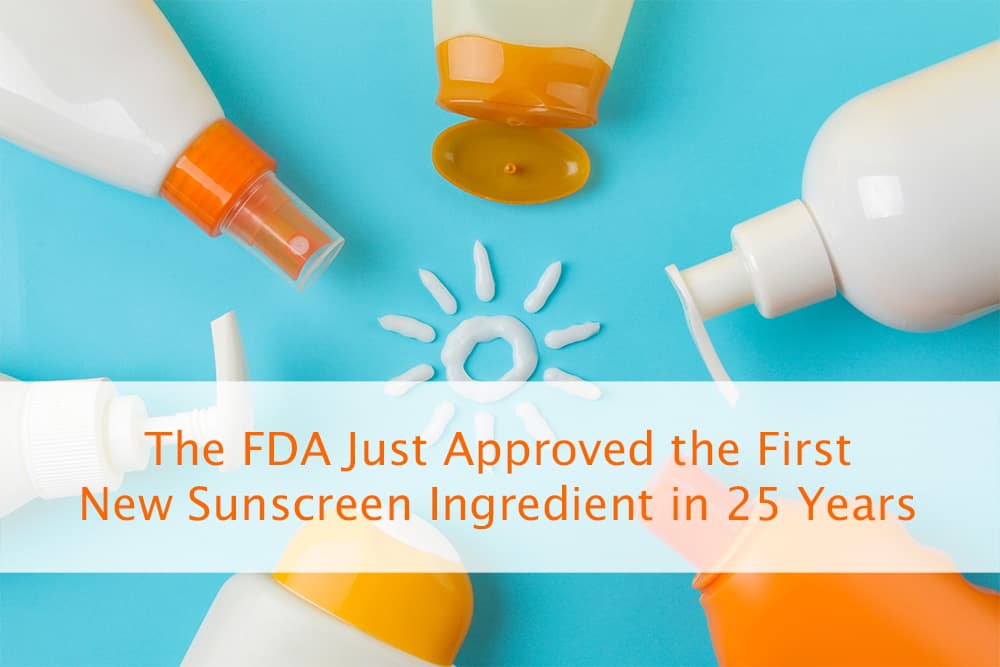
For the first time in more than 25 years, the U.S. Food and Drug Administration has added a new active ingredient to the over-the-counter sunscreen monograph. On June 10, 2026, the FDA issued a final order permitting bemotrizinol in qualifying sunscreen products at concentrations up to 6%. The order is scheduled to take effect August 9, 2026.
Bemotrizinol has been used in sunscreens in other countries for years. Its arrival in the U.S. gives manufacturers another option for creating broad-spectrum products that are stable in sunlight and cosmetically comfortable to wear.
What Is Bemotrizinol?
Bemotrizinol is an organic, or “chemical,” ultraviolet filter. It absorbs energy across both the UVA and UVB portions of the ultraviolet spectrum and releases that energy as a small amount of heat. On an ingredient label, it may also be associated with the trade name PARSOL Shield.
UVA rays penetrate more deeply into the skin and contribute to premature aging, uneven pigmentation, and skin cancer. UVB rays are the primary cause of sunburn and also play a major role in skin cancer. Protection from both is why dermatologists recommend products labeled broad spectrum.
Why This New Sunscreen Ingredient Matters
Broad-Spectrum Coverage
Bemotrizinol absorbs both UVA and UVB radiation. Sunscreen formulators can combine it with other permitted filters to create products that meet FDA broad-spectrum and sun protection factor requirements.
Strong Photostability
Some ultraviolet filters lose effectiveness as they are exposed to sunlight unless they are stabilized by other ingredients. Bemotrizinol is highly photostable, meaning it resists breaking down under ultraviolet exposure. This can help formulators maintain dependable protection while improving the overall performance of a sunscreen.
No Mineral White Cast
Unlike mineral filters that can leave a visible residue on some skin tones, bemotrizinol is transparent when formulated into sunscreen. A product that blends in comfortably may be easier to use consistently, especially for people who have struggled to find a daily sunscreen that works with their complexion.
Low Irritation Potential
The FDA reviewed safety and effectiveness information before issuing the final order. Under the order's conditions, bemotrizinol may be used at concentrations up to 6% in sunscreen products for adults and children six months and older. Individual products can contain other ingredients, however, so people with sensitive skin should still review labels and patch-test a new formula when appropriate.
How Is Bemotrizinol Different From Avobenzone?
Avobenzone is a widely used U.S. sunscreen ingredient that primarily provides UVA protection. Because avobenzone can degrade in sunlight, manufacturers pair it with stabilizing ingredients and other ultraviolet filters. Bemotrizinol covers UVA and UVB wavelengths and is inherently more photostable.
That does not mean a current sunscreen containing avobenzone is ineffective. Finished sunscreens are formulated and tested as complete products. Continue following the label, including directions for generous application and regular reapplication.
When Will Bemotrizinol Sunscreens Be Available?
The FDA order is scheduled to take effect August 9, 2026, but that does not mean products will appear immediately. Manufacturers still need time to formulate, test, label, produce, and distribute new sunscreens. Initial U.S. products may reach stores later in 2026, with broader availability expected afterward.
When shopping, check the Drug Facts label for “bemotrizinol” under active ingredients rather than relying only on front-label marketing claims.
What Sunscreen Should You Use Now?
There is no need to wait for a new ingredient to protect your skin. The best sunscreen is one you will apply correctly and consistently. Choose a product that is:
- Broad spectrum for UVA and UVB protection
- SPF 30 or higher for daily use
- Water resistant when swimming or sweating
- Comfortable for your skin so you are willing to use enough
Apply sunscreen generously to exposed skin about 15 minutes before going outside. Reapply at least every two hours and after swimming, sweating, or towel drying. Combine sunscreen with shade, protective clothing, a wide-brimmed hat, and sunglasses. Review more practical guidance in Beyond SPF: Sun Protection and Summer Skincare Essentials.
Who Should Ask a Dermatologist About Sunscreen?
Personalized guidance can be helpful if you have sensitive skin, eczema, acne, melasma, a history of skin cancer, photosensitivity, or a medication that increases sun sensitivity. A dermatologist can help you compare mineral, organic, tinted, and water-resistant formulas based on your skin and daily routine.
Sun protection works best alongside regular self-exams and risk-appropriate professional screening. Learn more about skin cancer detection. If you need help choosing a sunscreen or are due for a skin check, request a dermatology appointment at our McLean or Woodbridge office.